ʻĀINA STEWARDSHIP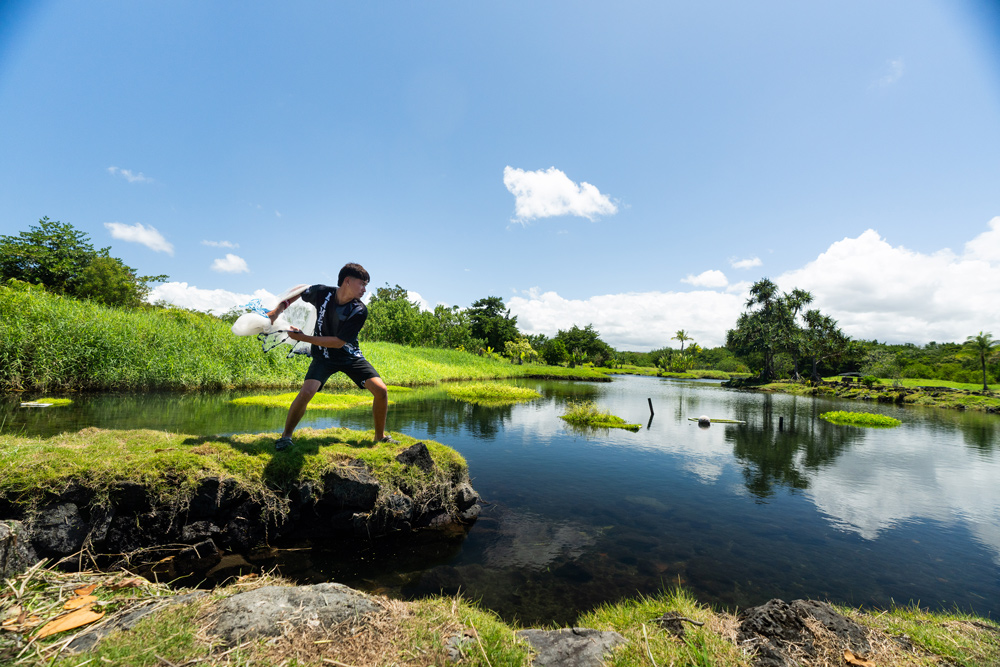
Ke Kula ʻo Kamehameha’s multi-layered approach to ʻāina portfolio management and stewardship continues to grow and evolve in support of its ʻŌiwi education mission. This includes supporting the important work of restoring wahi pana — including loko iʻa throughout the pae ʻāina.
“This place grounds them and gives them purpose. That’s waiwai.”
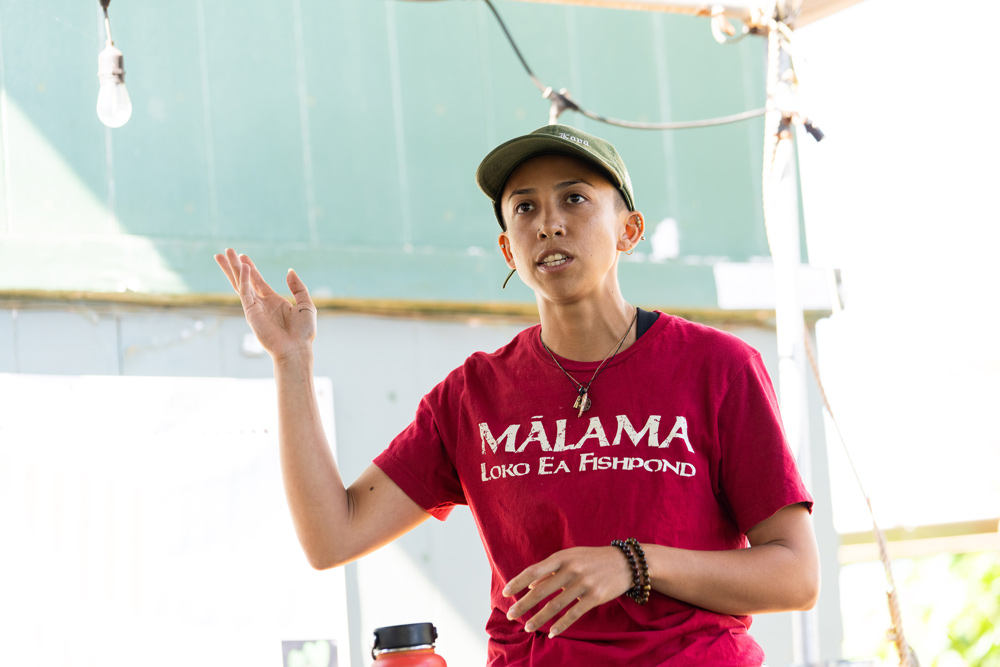
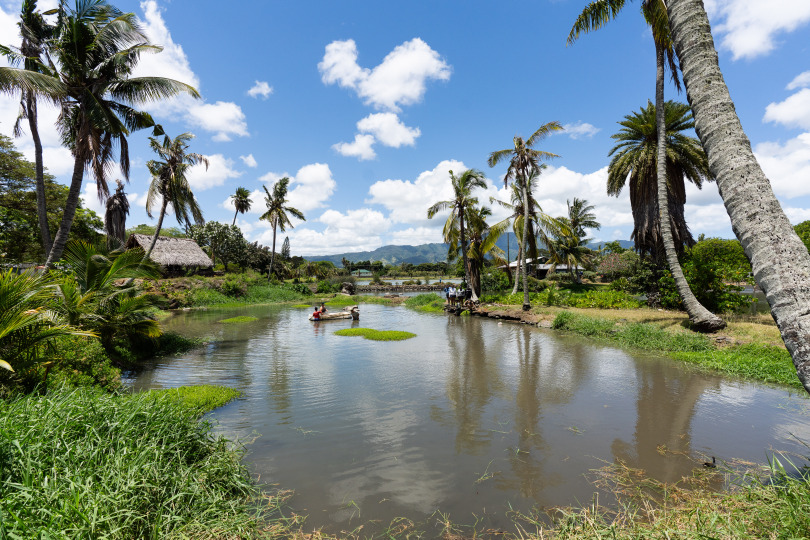
This mana‘o, from Honu‘āina Nichols KSK’18, refers to the transformative work taking place at Mālama Loko Ea in the Kawailoa ahupua‘a on O‘ahu’s North Shore. As an education coordinator there, Nichols is one of the connection points in a special loko i‘a collaboration involving haumāna and kumu from Ke Kula ‘o Kamehameha Hawai‘i and Ke Kula ‘o Kamehameha Kapālama.
The collab’s mission? Exercising ea — breathing life — into loko i‘a and haumāna through the blending of ‘ike kūpuna and modern science.
Kumuola: A source of science, culture and ea
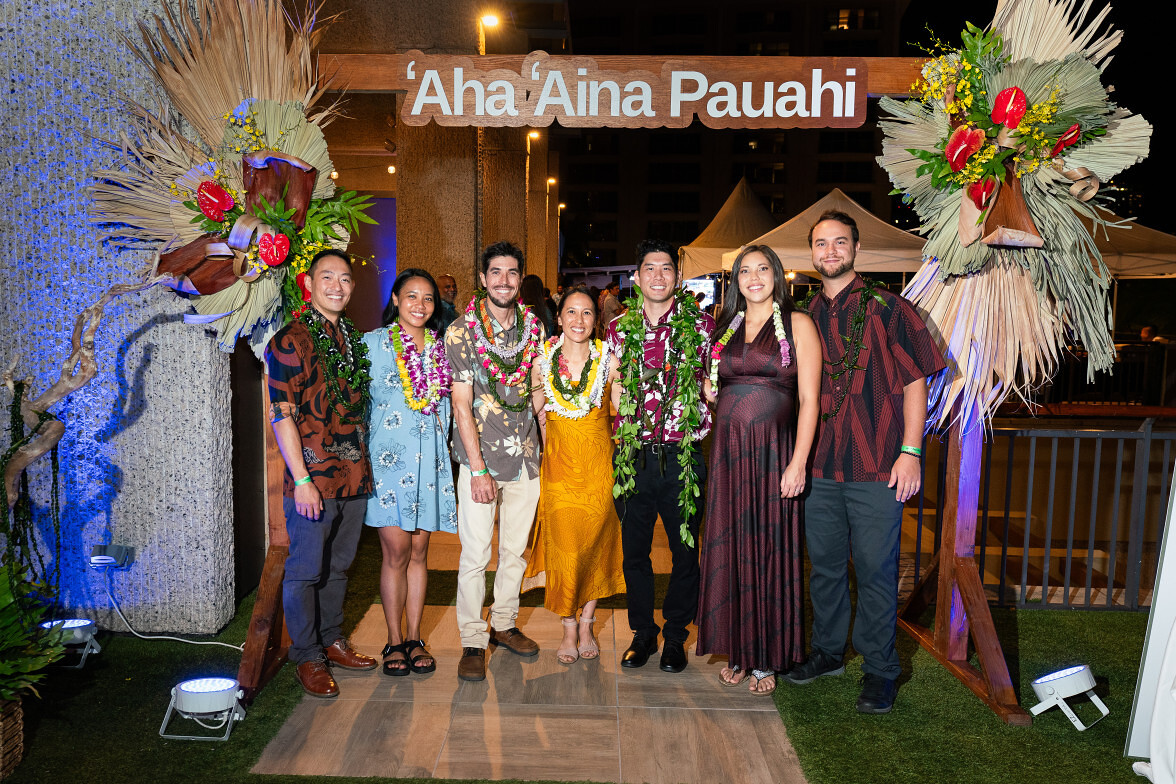
The origin of this two-campus collaboration started on Hawai‘i Island. For several years, haumāna from Ke Kula ‘o Kamehameha Hawai‘i have enjoyed a world-class science and cultural learning experience at Kumuola Marine Science Education Center. Located on ‘Āina Pauahi in the moku of Hilo, Kumuola consists of three loko i‘a that are in various phases of restoration.
Kumu Trisha Leilani Soares Olayon KSK’04 is a project-based researcher at Kumuola. Over the course of seven years, she’s been part of the kākou effort to transform the loko i‘a, once unrecognizable and choked out by invasive grass, into a thriving cultural, ecological and educational space. Kuana‘ike Hawai‘i fuels her passion for restoration.
“So traditionally, you could tell how a community was doing based on the kuapā of their loko i‘a. If the rock wall was standing and in good order, that meant they had resources — kānaka — to keep it standing and functioning. If a community was at war or was in disarray, that kuapā would not look orderly because they simply didn’t have the resources to put into these types of spaces.”
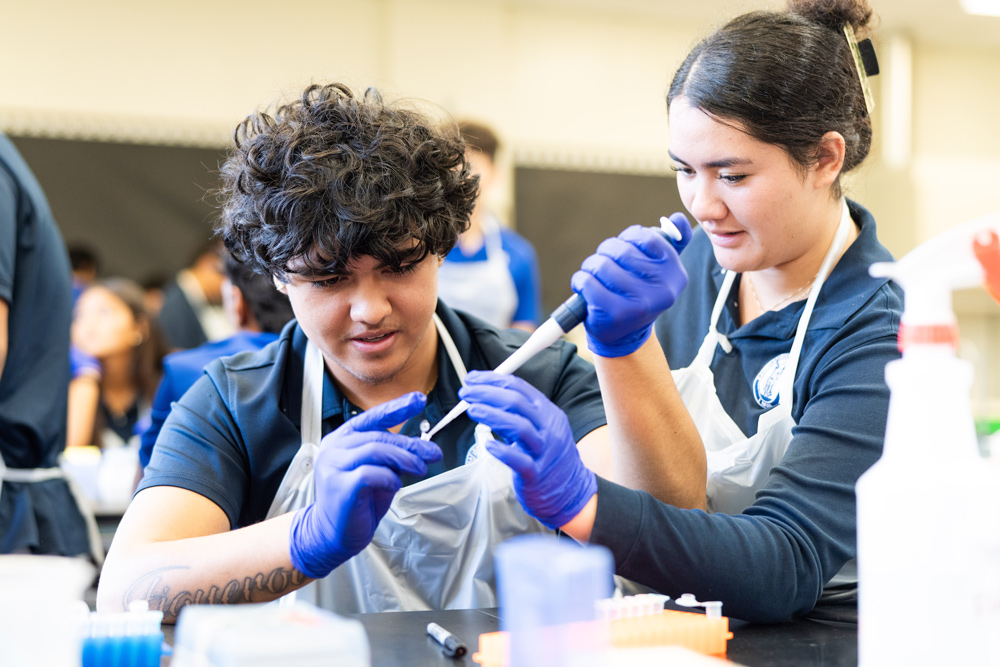
Colonialism and climate change have made loko i‘a restoration even harder. Invasive species brought in post-contact are muscling out native i‘a. AP Biology haumāna at KS Hawai‘i began attacking this modern problem with modern technology. Using specialized DNA testing equipment, they provide invaluable insight into the ratio of native to invasive mullet coming into the loko i‘a through its mākāhā (gate). In the pua stage, native ‘ama‘ama and invasive kanda (Australian mullet) look identical to the naked eye. Once adults, the kanda eat far more than ‘ama‘ama, disrupting the ecological balance.
“We’ve now successfully sampled our sixth year of genetics and we’re starting to see trends in recruitment — when native fish come in, when invasives spike, and how it ties to the moon,” said Olayon.
A new kind of learning at Kapālama
The scientific rigor — and more importantly the results — of the DNA project also caught the eye of kumu at KS Kapālama. That included Tisha Louis KSK’88, who built out the curriculum to teach Kapālama’s first-ever marine science class, Ka ‘Oihana Lawai‘a: Fisheries Management in Hawai‘i, in the 2024-2025 school year.
“Many of our haumāna fish and dive on the weekends, and we started thinking about how to build upon the ‘ike from their ‘ohana and communities to open up possible future career paths in a hands-on environment,” Louis said.
To help fill out her lesson plans, she spent time learning at Kumuola and also connecting with and learning from kahu of loko i‘a on O‘ahu, including at Mālama Loko Ea. Through these exchanges and pilina-building, she learned that Mālama Loko Ea had a need for DNA testing too, and that served as the springboard for the special collaboration between KS Hawai‘i and KS Kapālama.
From Kea‘au to Kapālama, with aloha
In January 2025, haumāna and kumu from KS Hawai‘i and Kumuola made the trek to kumu Louis’ marine fisheries class at Kapālama. For the first time, haumāna there got to do their own DNA testing — all thanks to the expertise of their counterparts on Hawai‘i Island.
“Our AP Biology students at Kea‘au have had a lot of time with this. They’re really confident. So kumu Tisha and I thought, ‘What if we bring them up to help you guys do your sampling?’” Olayon said.
The PCR technology used on i‘a is the same tech that we all experienced during the days of COVID-19 testing.
“It was a cool experience to understand that you can take DNA from the fins of the fish, and you can tell the difference between ‘ama‘ama and kanda,” said Keanu Souza, a KS Kapālama marine fisheries haumāna.
The results of testing are quite bleak. At Kumuola, the ratio of invasive to native mullet is 10-to-1. But that’s actually far better than the near-shore waters, where invasive mullet outnumber natives 20-to-1. But this testing is crucial in establishing the baseline needed to then begin working on solutions.
Building on a legacy
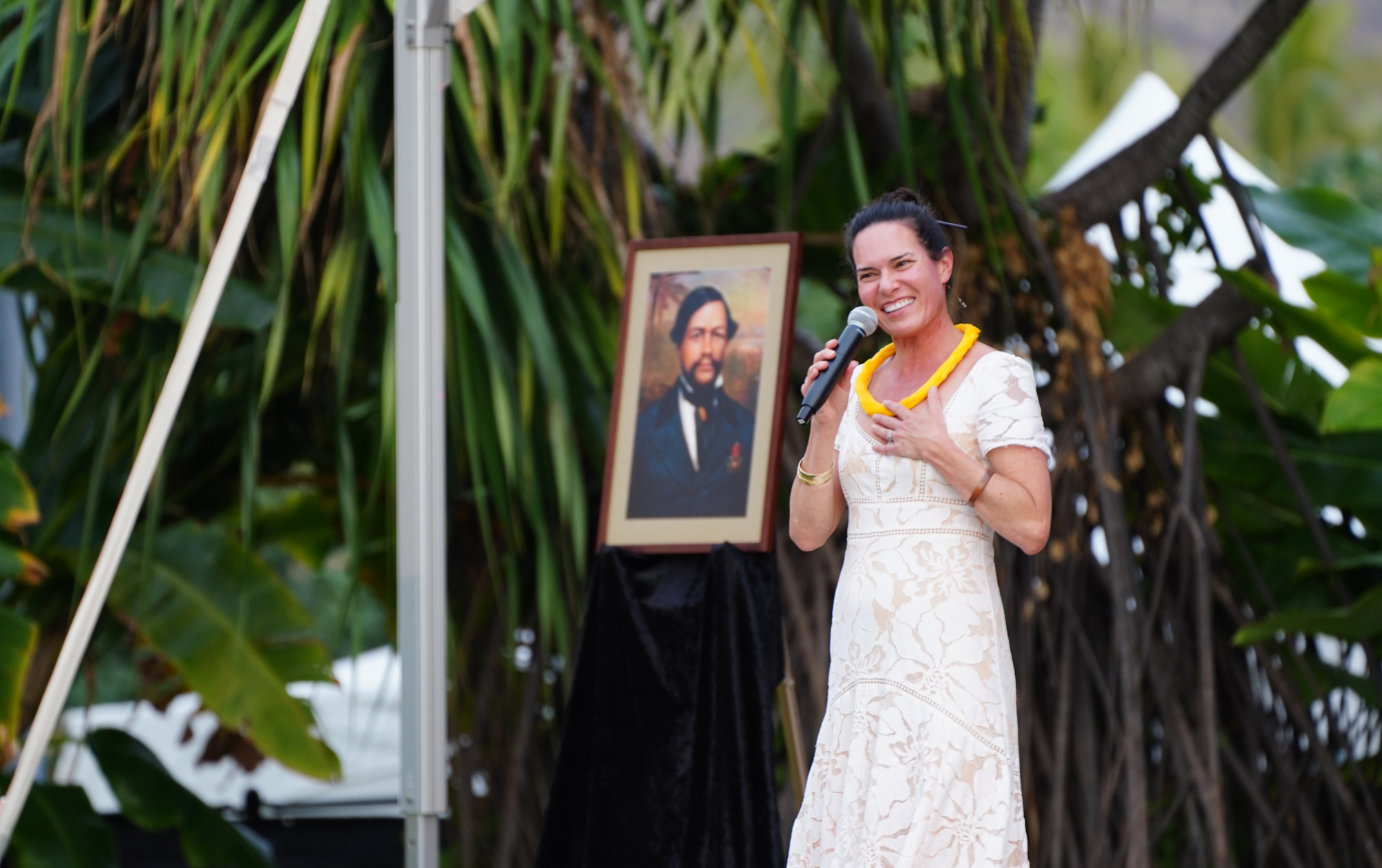
Not to be lost in this is the fact that both Mālama Loko Ea and Kumuola are on ‘Āina Pauahi. Ke Ali‘i Pauahi’s foresight to protect ‘āina and educate keiki allows these wahi pana to not just exist but thrive.
“If it weren’t for this being Kamehameha Schools’ land, this pond (Mālama Loko Ea) would likely not still be here. Sadly, the typical story of loko i‘a is that they get filled up and turned into a baseball field and then a parking lot. That’s the story of Mokuhinia in Lahaina. So we’re very fortunate to be able to continue to steward this ‘āina and reveal her. She was never gone,” Nichols said.
In the second year of the marine fisheries science class, KS Kapālama haumāna plan to expand their newly acquired DNA testing skills at Mālama Loko Ea and possibly other loko i‘a on O‘ahu. And at Kumuola, traditional and modern science will continue to breathe life into the community.
“Food sustainability is the ultimate goal. That’s absolutely the light at the end of the tunnel. But on the way there, you can feed a person’s mauli. You can provide them with space to grow mea kanu, to learn traditional practices,” Olayon said.
“At the end of the day, it’s sovereignty. It’s independence. And for us, that’s food. It’s feeding people. True sovereignty is being able to take care of your people,” Nichols said.